



A Sneak Peek at the 2026 British Open at Royal Birkdale and Its Historical Significance
- 3 days ago
- 4 min read
The British Open, also known as The Open Championship, stands as one of golf’s most prestigious and historic tournaments. In 2026, Royal Birkdale Golf Club will host this iconic event once again, promising a thrilling competition on one of the sport’s most challenging courses. This post offers a preview of the 2026 British Open at Royal Birkdale and explores the rich history that makes this tournament a cornerstone of golf worldwide.

What to Expect at the 2026 British Open at Royal Birkdale
Royal Birkdale has hosted The Open Championship ten times before 2026, making it one of the most familiar venues in the tournament’s rotation. Known for its demanding layout, the course tests every aspect of a golfer’s game. The 2026 event will likely feature:
Challenging weather conditions: The coastal location often brings wind and rain, adding complexity to shot selection and strategy.
Fast, undulating greens: Players will need precision putting to score well.
Strategic bunkering: Royal Birkdale’s deep bunkers require careful navigation off the tee and on approach shots.
A strong field of competitors: The Open attracts the world’s best golfers, including past champions and rising stars.
Fans can expect intense competition as players adapt to the course’s unique challenges. The 2026 Open will also showcase advances in golf technology and player fitness, which continue to evolve the game.
The History of the British Open
The British Open is the oldest golf tournament in the world, first played in 1860 at Prestwick Golf Club in Scotland. It has grown from a small competition among Scottish professionals to a global event watched by millions.
Key Milestones in The Open’s History
1860: The first Open Championship was won by Willie Park Sr.
1892: The tournament moved to Muirfield, beginning the tradition of rotating venues.
1910: Royal Birkdale hosted The Open for the first time.
1930: Bobby Jones won the Open as part of his Grand Slam year.
1960: Arnold Palmer’s dramatic victory helped popularize golf in the United States.
2000: Tiger Woods became the youngest player to win The Open at St Andrews.
The Open’s history is filled with memorable moments and legendary players who have shaped the sport. Its tradition of rotating courses across the UK allows different regions to showcase their unique links golf heritage.
Why Royal Birkdale Is a Special Venue
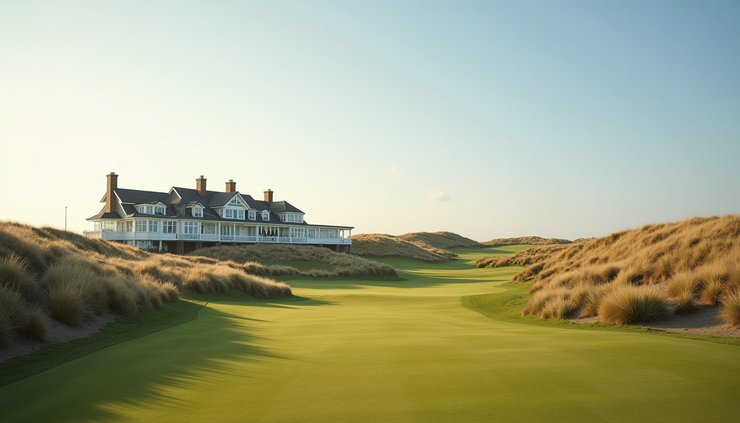
Royal Birkdale Golf Club, located in Southport, England, is renowned for its classic links design and natural beauty. The course features:
Rolling dunes and sandy soil typical of links golf.
A layout that rewards accuracy and strategic thinking.
A reputation for fair but tough conditions, especially when the wind blows.
Facilities that have evolved to support modern tournament needs while preserving tradition.
The club’s history with The Open includes dramatic finishes and standout performances. For example, in 1976, Johnny Miller’s final round 65 secured a memorable victory. More recently, in 2017, Jordan Spieth’s win at Royal Birkdale marked his second Open title.
What Makes The Open Different from Other Majors
The British Open stands apart from other major golf tournaments for several reasons:
Links golf tradition: Unlike parkland courses common in other majors, The Open is played on links courses, which are coastal, sandy, and exposed to natural elements.
Rotating venues: The Open moves between a select group of historic courses, each with distinct challenges.
Unpredictable weather: Wind and rain can dramatically affect play, making adaptability crucial.
Global appeal: The Open attracts a diverse field of players and fans from around the world.
Historic trophies: The Claret Jug, awarded to the winner, is one of golf’s most iconic prizes.
These factors combine to create a tournament that tests skill, patience, and mental toughness in ways few others do.
Preparing for the 2026 Open: What Players and Fans Should Know
Players aiming to succeed at Royal Birkdale in 2026 will focus on:
Course knowledge: Studying past tournaments and practicing on links-style courses.
Weather readiness: Preparing for wind and rain with appropriate gear and flexible strategies.
Physical conditioning: Maintaining stamina for long rounds over challenging terrain.
Fans attending or watching the event can look forward to:
Historic atmosphere: Royal Birkdale’s setting offers a classic British golf experience.
Exciting competition: The field will include top-ranked players and emerging talents.
Cultural events: The Open often features fan zones, exhibitions, and local festivities.
The Legacy of The Open and Royal Birkdale
The British Open is more than a golf tournament. It represents the roots of the sport and the enduring appeal of links golf. Royal Birkdale’s role in this legacy is significant, providing a stage for some of the game’s greatest moments.
As the 2026 Open approaches, anticipation builds for another chapter in this ongoing story. The tournament will challenge players, thrill fans, and celebrate golf’s rich history in a way few events can match.
The 2026 British Open at Royal Birkdale promises to be a memorable event that honors tradition while showcasing the future of golf. Whether you are a player, a fan, or a newcomer to the sport, this tournament offers a unique glimpse into the heart of golf’s heritage and excitement. Keep an eye on Royal Birkdale next summer for a competition that will test skill, spirit, and endurance on one of the world’s finest courses.


Comments